A good painting crew handles protection, surface prep and cleanup, but there are a few things only a homeowner can do. Taking care of them before the start date makes the job run more smoothly, keeps your belongings safe and often shortens the schedule.
Here is a practical checklist for both interior and exterior projects, based on what makes the biggest difference in homes around West Springfield.
Finalize your decisions
The most useful preparation happens before anyone arrives: making decisions. Confirm the colors and sheens for each room or surface, and write them down. If you are still deciding between two colors, ask for sample patches before the project starts rather than during it, since changes mid-job can affect the schedule.
Also confirm the scope. Are closets included? Ceilings? Doors on both sides? The inside of window sashes? A clear written estimate prevents surprises, and it is worth reading it once more before the start date.

For interior projects
- Remove small items, decor, photos and valuables from the rooms being painted, including anything on shelves and walls.
- Empty bookshelves and china cabinets that need to be moved.
- Take down curtains, blinds and rods if you want to handle them yourself; otherwise let the crew know.
- Clear a path to each room, including stairs and hallways.
- Decide where furniture can go if it needs to leave the room, such as a garage or another room.
- Unplug and move electronics you prefer to handle personally.
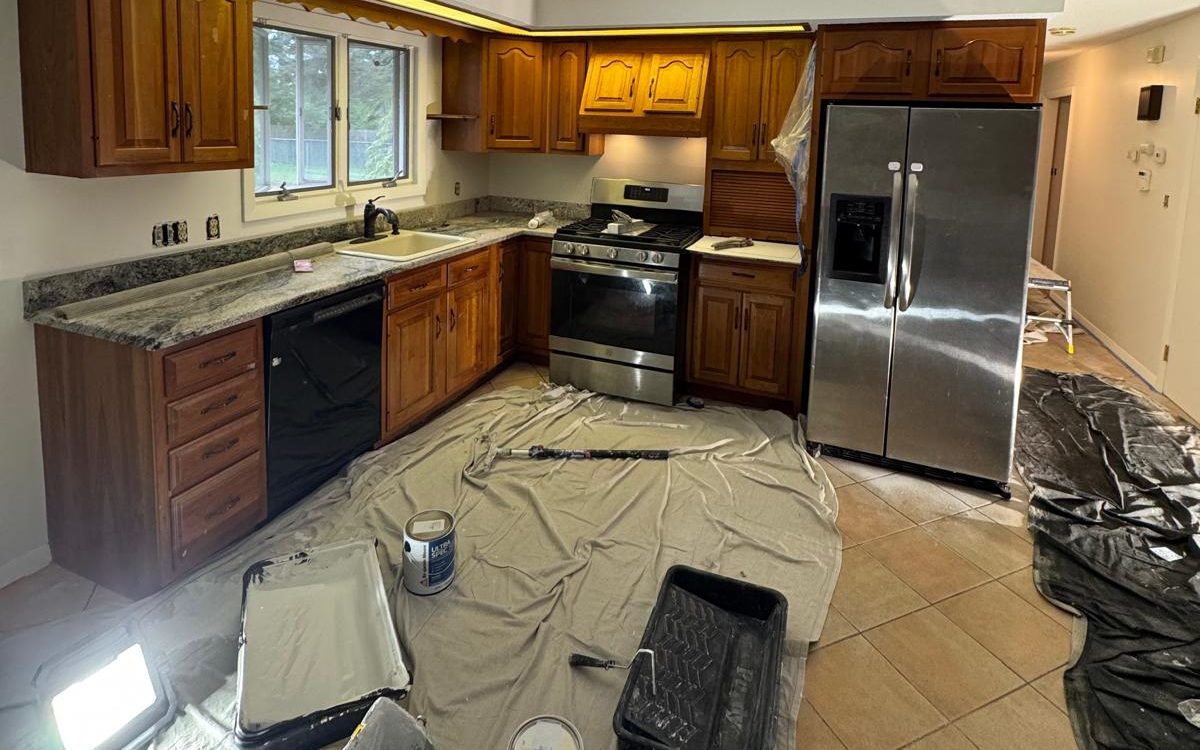
Larger furniture can usually stay in the room, moved to the center and covered. If there is anything particularly heavy, fragile or valuable, such as a piano or antique, mention it during the estimate so the crew can plan for it.
For exterior projects
- Move outdoor furniture, grills, planters and decorations away from the house.
- Trim back shrubs and branches touching the siding if you can, or ask about it during the estimate.
- Turn off sprinklers on painting days so walls stay dry.
- Make sure the crew will have access to an outdoor water spigot and an electrical outlet.
- Plan where vehicles will park so driveways and garage doors can be reached.
- Let neighbors know if ladders or equipment will be near a shared property line.
If your house was built before 1978, older layers of paint may contain lead. Mention the age of the home during the estimate so lead-safe work practices can be discussed and planned before any scraping or sanding begins.
Plan around people and pets
Pets are often more stressed by strangers and noise than by paint. Consider keeping them in a room that is not being painted, with the door closed, or arranging for them to stay elsewhere on busy days. Wet paint and curious paws are not a good combination.
For interior work, think about which rooms you need each day. Painting bedrooms while you are at work and leaving the kitchen for a weekend, or the other way around, can make living through the project much easier. Share these preferences with the crew; the order of rooms is usually flexible.
During and after the project
Keep communication simple: one point of contact on your side and one on the crew's side works best. Walk the rooms at the end of each day if you like, and mention anything you notice early, while touch-ups are easy.
After the final walkthrough, keep the leftover paint in a place that does not freeze, and label it with the room, color and sheen if the crew has not already. Give walls a few weeks to cure before washing them or leaning furniture against them.
Ready to plan your project? Take a look at our interior painting and exterior painting services, or request an estimate and we will help you build a schedule that works for your household.
Mistakes to avoid
A few small oversights cause the most delays. Leaving decisions on colors until the first morning holds up the whole crew. Forgetting to mention an alarm system, a gate code or a dog in the yard can stop work before it starts. Scheduling other contractors in the same rooms on the same days, such as flooring installers or electricians, leads to dust, damage and rework.
It also helps to be realistic about the calendar. Holidays, family visits and big events at home are hard to combine with a painting project, especially an interior one. If you have a deadline, share it during the estimate so the schedule can be built backward from it, with some room for weather or unexpected repairs.
Questions worth asking before you book
Preparation also means knowing what you are agreeing to. Before booking, it helps to ask how surfaces will be prepared, how many coats are included, which rooms or areas will be unavailable and for how long, how cleanup is handled each day, and what happens if weather delays exterior work. Ask how the crew protects floors and furniture, and who to call with questions during the project.
Clear answers to these questions are usually a good sign. They show that the contractor has a process and is comfortable explaining it. A detailed written estimate that lists surfaces, prep steps and exclusions makes it much easier to compare quotes fairly and avoids disagreements later about what was included.
Frequently asked questions
No. Remove small items, decor and valuables. Most large furniture can stay in the room, moved to the center and covered by the crew.
Yes. Most homeowners stay home. Planning the order of rooms around your routine makes it easier, and low-odor paints are available.
General tidying helps, but surface cleaning, patching and sanding are part of professional prep. If there are greasy areas like kitchen walls, mention them so they are cleaned properly before painting.
Related services: