Ask ten homeowners when to paint a house and most will say summer. That is roughly right, but the details matter more than the month. Exterior paint does not just need to go on in decent weather, it needs the right conditions for several hours and sometimes days afterward while it cures. In Western Massachusetts, where a warm afternoon can be followed by a 40-degree night, those details decide whether a paint job lasts or starts peeling in a couple of years.
This guide explains what paint actually needs, how the calendar usually plays out in West Springfield and the surrounding towns, and how to plan so your project lands in a good window.
What exterior paint needs to cure properly
Modern exterior acrylic paints are forgiving compared with older products, but they still have limits. Every manufacturer lists a minimum application temperature on the can, and that number applies to the air and the surface, not just the forecast high. A clapboard wall that sat in shade all morning can be much colder than the air around it.
Temperature, day and night
Paint forms a film as water evaporates and the resin particles fuse together. If the temperature drops too low before that process finishes, the film can form poorly, which shows up later as cracking, poor adhesion or a chalky surface. This is why an early-October day that feels pleasant can still be a risky day to paint if the night will fall near freezing.
Moisture and dew
Surfaces must be dry when paint goes on, and they need to stay dry long enough for the film to set. Morning dew, a passing shower or high humidity late in the day can leave surfactant streaks, a sticky or blotchy look that appears when moisture hits paint that has not set. Painters in New England often start on the sides of the house that have already dried in the sun and stop early enough for the last coat to set before evening dew.
Direct sun and wind
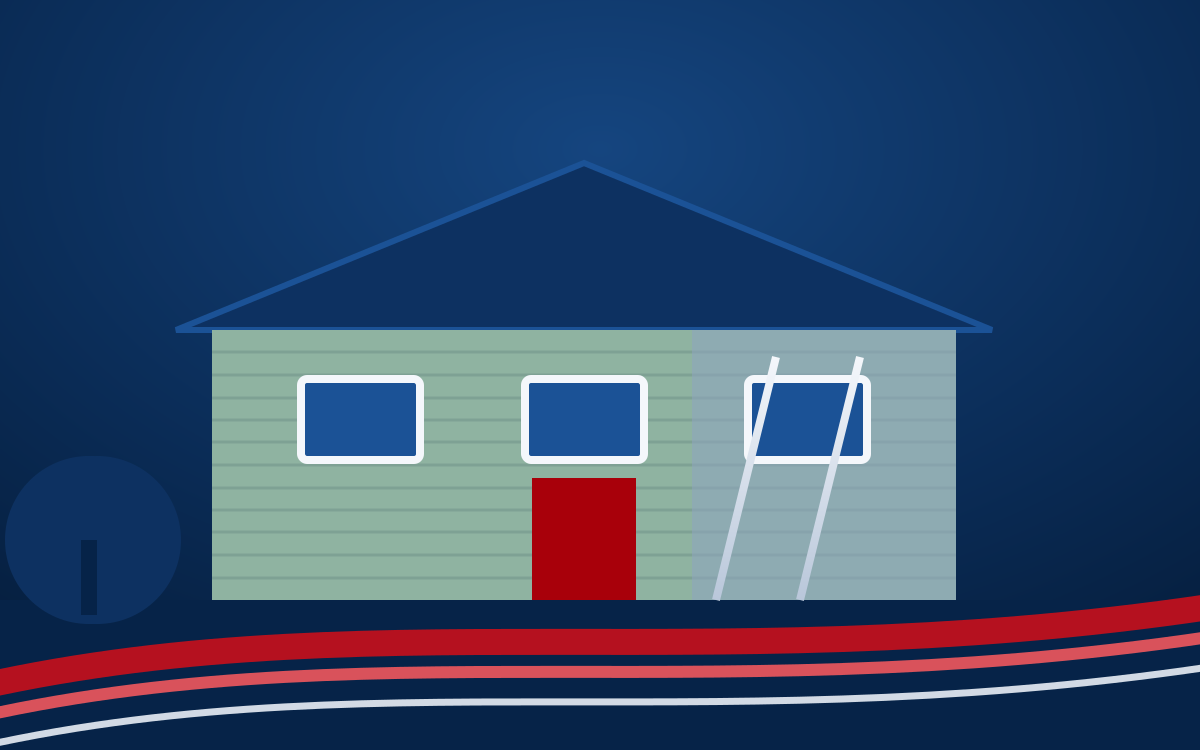
Too much heat is also a problem. Paint applied to a wall in direct midsummer sun can dry so quickly that it shows lap marks and brush strokes, and it may not bond as well. Strong wind speeds drying and carries dust onto wet surfaces. The practical fix is to follow the shade around the house through the day.
How the painting season usually plays out here
Every year is different, but a typical pattern in the Pioneer Valley looks like this:
- April and early May: surfaces can stay damp and nights are still cold. Prep work like washing and scraping can begin, and painting is possible on warm, dry stretches.
- Late May through June: one of the most reliable windows. Temperatures are moderate, days are long and nights stay mild.
- July and August: good for painting with some care around heat, humidity and afternoon thunderstorms.
- September: often excellent. Lower humidity and comfortable temperatures, though shorter days reduce working hours.
- October and later: possible on the right days, but cold nights and heavy dew narrow the window quickly.
Because the good months are also the busy months, many homeowners book exterior work in late winter or early spring so their project is on the calendar before the season fills up.
Preparation is part of the timeline
A common surprise is how much of an exterior job happens before any color goes on. Washing needs time to dry. Scraping and sanding peeling areas, priming bare wood and caulking gaps can take as long as the painting itself on an older house. That means the weather window has to cover prep as well as paint.
It also means the condition of your house affects how early or late in the season the job can reasonably be done. A newer home with sound paint can be refreshed quickly in a short stretch of good weather. A century-old colonial in West Springfield or Westfield with multiple layers of failing paint needs a longer, drier period.

If you are not sure what your house needs, a walkaround with a painter will usually answer the question in a few minutes. Look especially at south and west walls, which take the most sun, and at the bottoms of clapboards and trim near the ground, where moisture collects.
Signs your exterior is due for paint
- Paint that comes off as white powder when you rub it, a sign of chalking.
- Cracking, flaking or peeling, especially on window sills and trim.
- Caulk that has shrunk, cracked or pulled away at joints and corners.
- Faded color that looks uneven from one side of the house to another.
- Bare wood showing anywhere, which lets moisture in quickly.
Catching these early usually means a lighter, less expensive repaint. Waiting until wood is exposed for a winter or two often means more prep and, sometimes, repairs to trim or siding before painting.
Planning your project
A good plan starts with a site visit and a written scope that lists the surfaces, the prep, and the number of coats. From there, the schedule depends on the forecast. Expect some flexibility: an honest painter will move a day rather than paint into rain or a cold night, and that flexibility is part of what makes the finish last.
If you are thinking about exterior work this year, our exterior painting page explains how we approach prep and coatings, and you can request a free estimate to get a date on the calendar early.
Different surfaces, different timing
Not every part of the house behaves the same way. Wood clapboards and trim absorb moisture and need the longest drying time after rain. Fiber cement siding dries faster but still holds water in its lap joints. Metal railings and gutters heat up and cool down quickly, so they are best painted in the middle of a mild day. Doors and windows that are opened and closed need time to cure before being weather-stripped shut.
Porches and horizontal surfaces are their own category. Water sits on them, foot traffic wears them, and snow and ice melt products attack them all winter. They should be painted in a stretch of dry weather with enough time before use for the coating to harden. It is often smart to schedule porch floors and steps last, once the rest of the house is done, so ladders and equipment are not dragged across fresh paint.
Frequently asked questions
Sometimes. Some days in October are warm and dry enough, but the painter has to watch overnight lows and dew closely. Many projects are finished earlier in the fall to avoid the risk.
Surfaces need to be dry to the touch and inside any cracks or joints. On a sunny, breezy day that may take a few hours; after a long rainy spell or in shaded areas it can take a day or more.
Painters usually start after dew has burned off and follow the shade around the house, finishing early enough that the final coat can set before evening moisture returns.
Related services: